
Smart Storage Secrets: Maximizing Every Corner of Your Home
The Silent Struggle: Battling Home Clutter and Disorganization
Many homeowners grapple with the perennial challenge of limited space. As our lives evolve and possessions accumulate, finding an organized place for everything becomes increasingly difficult. This often leads to cluttered surfaces, overflowing closets, and a general sense of disarray that can impact daily routines and overall well-being. The aspiration for a serene living environment often feels distant amidst the chaos.
The illusion of ample space quickly fades when storage solutions are inefficient or non-existent. We often find ourselves piling items in corners, on top of furniture, or even in seldom-used rooms, transforming them into de facto storage units rather than functional living areas. This reactive approach rarely solves the underlying issue, instead merely shifting the problem around the home.
This constant battle against clutter isn't just an aesthetic concern; it can significantly affect productivity and peace of mind. Searching for misplaced items wastes valuable time, and a visually chaotic environment can contribute to stress and a feeling of being overwhelmed. A home should be a sanctuary, a place for relaxation, not a constant reminder of things that need tidying.
Modern living demands smart approaches to home organization. Traditional storage methods often fail to adapt to contemporary needs, leaving residents feeling overwhelmed by their belongings. The dream of a minimalist, functional, and aesthetically pleasing home seems unattainable when every available surface is occupied by items without a designated spot.
The core issue isn't always a lack of physical space, but rather a lack of optimized space utilization. Every home, regardless of its size, possesses untapped potential for efficient storage. Unused vertical areas, awkward nooks, and forgotten corners represent valuable real estate waiting to be transformed into functional organizational zones. Tliperi understands these challenges and offers practical insights.
Unpacking the Roots of Disarray
- Lack of a clear organizational system: Without a designated spot for each item, belongings tend to migrate, creating disarray. Studies indicate that homes without clear zoning accumulate clutter significantly faster than those with structured systems.
- Underutilization of vertical space: Many homes neglect walls and ceilings, leaving valuable storage capacity untapped. Shelves, wall-mounted units, and stackable containers are often overlooked opportunities for efficient storage.
- Emotional attachment to unused items: Holding onto items "just in case" or for sentimental reasons, even when they no longer serve a practical purpose, significantly contributes to clutter and hinders effective space management.
Strategic Solutions for an Organized Home
1. Embrace Verticality and Wall Space
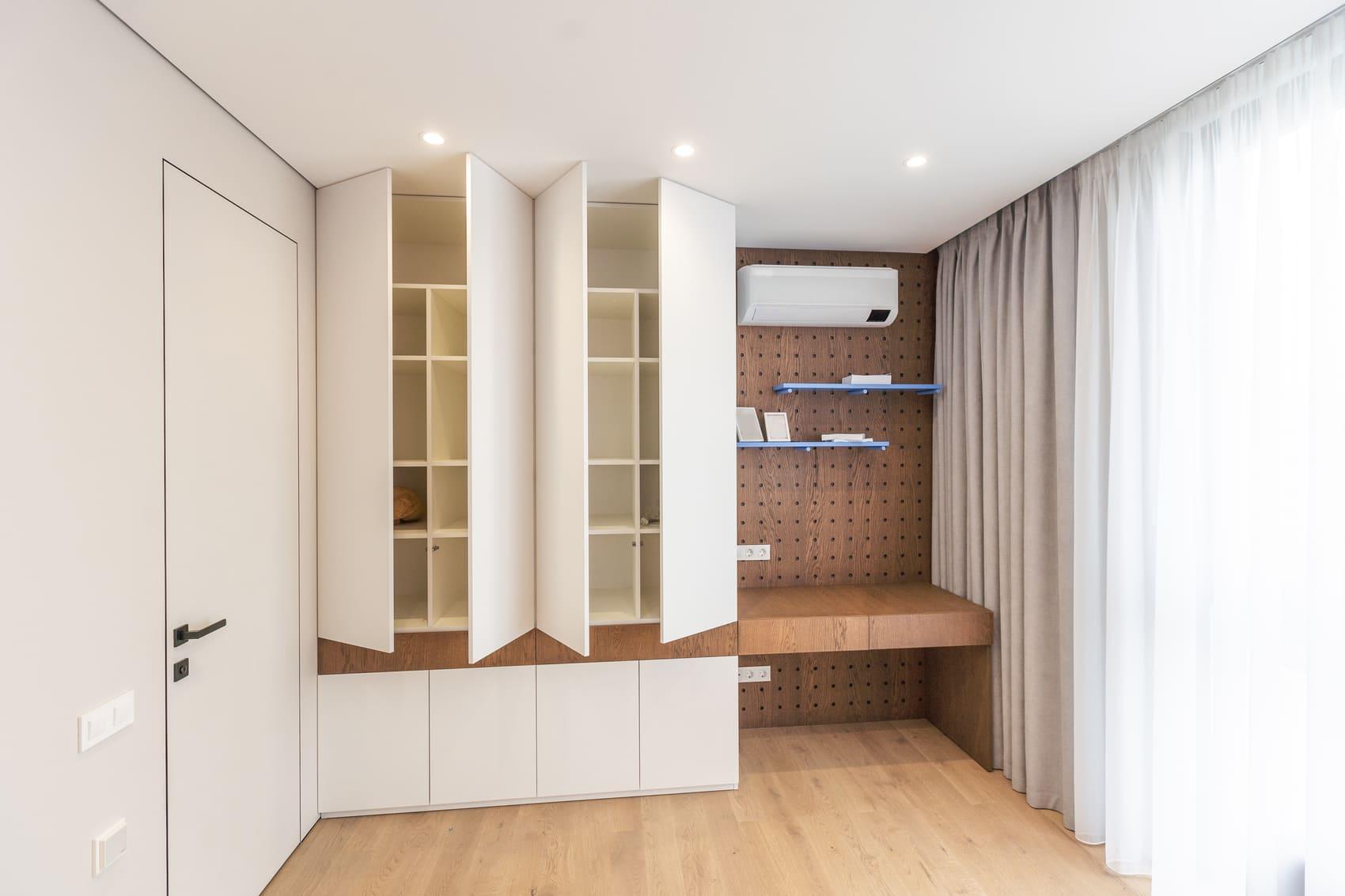
One of the most impactful strategies for maximizing space is to look upwards. Walls are often underutilized assets in any home. Installing floating shelves, tall bookcases, or wall-mounted cabinets can dramatically increase storage capacity without encroaching on valuable floor space. This approach is particularly effective in smaller rooms, transforming blank walls into functional storage and display zones.
Consider custom-built units that fit snugly into alcoves or around doorways, maximizing every centimeter. For instance, a floor-to-ceiling bookshelf can store hundreds of books and decorative items. Don't forget the back of doors; over-the-door organizers are simple yet incredibly effective for shoes, toiletries, or pantry items, freeing up valuable cabinet and drawer space.
2. Implement Multi-Functional Furniture
Smart furniture choices can revolutionize how you use your living areas. Ottomans with hidden compartments, beds with built-in drawers, or coffee tables that lift to reveal storage are excellent examples of pieces that serve dual purposes. They offer both utility and discreet storage, helping to keep your space tidy without the need for additional, dedicated storage units.
A sofa with integrated storage, for example, can house blankets, pillows, or board games, maintaining a neat living room. Similarly, a dining bench with a lift-top seat can store seasonal decorations or rarely used serving ware. Foldable or collapsible furniture also plays a crucial role, allowing rooms to adapt to various activities and minimizing their footprint when not in use.
3. Master the Art of Decluttering and Organization Systems
Before optimizing your space, a thorough decluttering process is essential. Regularly assess your belongings using methods like the "one year rule" – if you haven't used an item in a year, consider letting it go. This creates valuable physical and mental space for items you truly value and use, making room for effective organization. Tliperi offers insights into such systematic approaches.
Establish clear zones for different categories of items. A "drop zone" near the entrance for keys and mail, a dedicated pantry area for food, and specific drawers for office supplies prevent items from scattering throughout the house. Investing in appropriate organizational tools like drawer dividers, clear containers, and shelf risers helps maintain order and visibility within existing storage.
Navigating Potential Challenges
- Over-organization leading to rigidity: While structure is beneficial, excessive categorization can make a system too rigid and difficult to maintain over time. Recommendation: Start simple, adapt your system as needed, and allow for some flexibility in your approach to avoid feeling constrained.
- Aesthetic compromise with too much visible storage: Too many open shelves or clear containers might make a space feel cluttered if not curated thoughtfully and aesthetically. Recommendation: Balance open storage with closed cabinets, and use aesthetically pleasing bins or baskets for items you prefer to keep out of sight.
- Initial time and effort commitment: Implementing new storage solutions and decluttering effectively requires an upfront investment of time and energy, which can be daunting. Recommendation: Break the project into smaller, manageable tasks. Focus on one room or even one cabinet at a time to avoid feeling overwhelmed and to celebrate small victories.
This article is incredibly insightful! I've been struggling with clutter for ages, and the vertical space ideas are a game-changer. I especially liked the emphasis on decluttering before organizing. Very practical advice!
Thank you for your kind words! We're thrilled to hear that our tips resonate with you and provide actionable steps for a more organized home.
The multi-functional furniture concept sounds great, but I'm curious about where to find quality pieces that truly last. Are there specific features one should look for to ensure durability?
That's a valid concern! When choosing multi-functional furniture, look for solid construction, smooth mechanisms for moving parts, and good reviews on durability. Investing in quality materials often pays off in the long run.
Excellent breakdown of common storage problems and realistic solutions. The risks section was a thoughtful addition, reminding us to approach organization with balance. My home definitely needs a Tliperi touch!
We appreciate your feedback! It's important to us that our advice is both comprehensive and balanced. We're here to help you create a more functional and harmonious living space.